Dependent Visa in Japan: Requirements, Documents & Application Process | Gifu & Aichi

What is a Dependent Visa?
How to Bring Your Family to Japan from Gifu or Aichi
If you are living and working in Japan and want to bring your spouse or children from overseas, you may be able to apply for a Dependent Visa (Status of Residence: “Dependent”). This guide explains the requirements, necessary documents, application process, and important points in simple terms.
DEPENDENTThe 30-Second Summary
- The Dependent Visa is generally available to the spouse or child of a foreign national who holds certain eligible statuses of residence in Japan.
- If your family member is currently overseas, you will generally need to apply for a Certificate of Eligibility (COE) first.
- If your family member is already in Japan, a change of status of residence may be required depending on their current status.
- Immigration authorities will consider not only your family relationship, but also your income, employment, and ability to support your family.
- A Dependent Visa does not automatically allow full-time employment. Permission for activities outside the status of residence is generally required.
LINE CONSULTATION
“Can I bring my family to Japan?”
The answer depends on your current status of residence, family relationship, income, and other circumstances. Ask About a Dependent Visa on LINE →What Is a Dependent Visa?
The official Status of Residence is called “Dependent” (家族滞在) in Japan.
It is a status of residence for the spouse or child of a foreign national who is residing in Japan under certain eligible statuses of residence.
Important
Being a family member of a foreign resident does not automatically mean that you can obtain a Dependent Visa. The eligibility of the person supporting you must be checked first.
Being a family member of a foreign resident does not automatically mean that you can obtain a Dependent Visa. The eligibility of the person supporting you must be checked first.
Who Can Be Granted a Dependent Visa?
In principle, the Dependent Visa is available to the spouse or child of an eligible foreign resident in Japan.
01
Spouse
A legally recognized spouse of the foreign resident may be eligible for Dependent status.
02
Child
A child of the foreign resident may be eligible for Dependent status.
Can I bring my parents or siblings to Japan?
Generally, no. The Dependent Visa is primarily intended for a spouse or child.
If you want to bring your parents, siblings, or other relatives to Japan, a different status of residence may need to be considered.
Which Statuses of Residence Allow You to Bring Your Family?
One of the first things to check is the status of residence held by the person living in Japan.
For example, family members may be eligible for Dependent status when the supporting person holds certain statuses such as:
Engineer / Specialist in Humanities / International Services
For example, a foreign employee working for a Japanese company under this status.
Nursing Care
Foreign nationals working in Japan under the “Nursing Care” status may be able to bring their spouse or children.
Specified Skilled Worker (ii)
Family members of a foreign national holding Specified Skilled Worker (ii) may be eligible.
Other Eligible Statuses
Eligibility differs depending on the status of residence held by the supporting person.
Important
Simply working in Japan does not mean that you can automatically bring your family under the Dependent Visa. Your current status of residence should be checked first.
Simply working in Japan does not mean that you can automatically bring your family under the Dependent Visa. Your current status of residence should be checked first.
How to Apply for a Dependent Visa
If your spouse or child is currently outside Japan, the general application process is as follows.
1
Check Eligibility
We check your status of residence, family relationship, income, employment, and living situation.
2
Prepare the Required Documents
Documents proving the family relationship, employment, income, and other relevant information are prepared.
3
Apply for a Certificate of Eligibility
For a family member living overseas, a Certificate of Eligibility (COE) application is generally filed in Japan.
4
Visa Procedures and Entry into Japan
After the COE is issued, the family member completes the necessary procedures overseas and enters Japan.
Required Documents for a Dependent Visa
The required documents vary depending on the supporting person’s status of residence and the circumstances of the application.
Commonly Required Documents
- Application form for a Certificate of Eligibility
- Photograph of the applicant
- Documents proving the family relationship
- Copy of the supporting person’s Residence Card and passport
- Documents proving the supporting person’s employment
- Documents proving the supporting person’s income
- Taxation and tax payment certificates
- Additional documents requested by Immigration Services
Documents issued overseas, such as marriage certificates and birth certificates, may need to be translated into Japanese.
Simply submitting all the documents does not guarantee approval. Immigration authorities may request additional documents depending on the circumstances.
LINE CONSULTATION
Not sure which documents you need?
You can contact us even if you are still unsure whether you are eligible for a Dependent Visa. Ask About Required Documents on LINE →Important Points in the Immigration Review
Immigration authorities do not only check whether you are legally married or related.
They may also consider whether the supporting person has a sufficient financial and living foundation to support the family member in Japan.
① Income and Financial Stability
Your ability to support your family financially is an important consideration.
② Proof of the Family Relationship
Marriage certificates, birth certificates, and other documents may be required to prove the relationship.
③ Immigration Status of the Supporting Person
The supporting person’s current status of residence and immigration situation must also be confirmed.
④ Consistency of the Application
Inconsistencies between submitted documents may result in requests for additional information and can affect the review.
Can a Dependent Work in Japan?
A person holding the Dependent status generally cannot work freely in Japan without additional permission.
If you want to work part-time, you generally need Permission to Engage in Activity Other Than That Permitted under the Status of Residence Previously Granted.
Important
A Dependent Visa does not automatically mean that you can work up to 28 hours per week. You must obtain the appropriate permission first and work within the permitted scope.
A Dependent Visa does not automatically mean that you can work up to 28 hours per week. You must obtain the appropriate permission first and work within the permitted scope.
With comprehensive permission for part-time activities, you can generally work within 28 hours per week. However, depending on the type of activity, individual permission may be required.
Applying for a Dependent Visa in Gifu or Aichi
If you are living in Gifu or Aichi and are considering bringing your spouse or children to Japan, the first step is to confirm your current status of residence, family relationship, and financial situation.
The required documents and procedures can vary depending on your individual circumstances. Many applicants find it difficult to determine exactly what documents they need to prepare.
Consultations Available in Gifu and Aichi
You can contact us even if you are simply wondering, “Can I bring my family to Japan?” We will first review your circumstances and explain the available options.
You can contact us even if you are simply wondering, “Can I bring my family to Japan?” We will first review your circumstances and explain the available options.
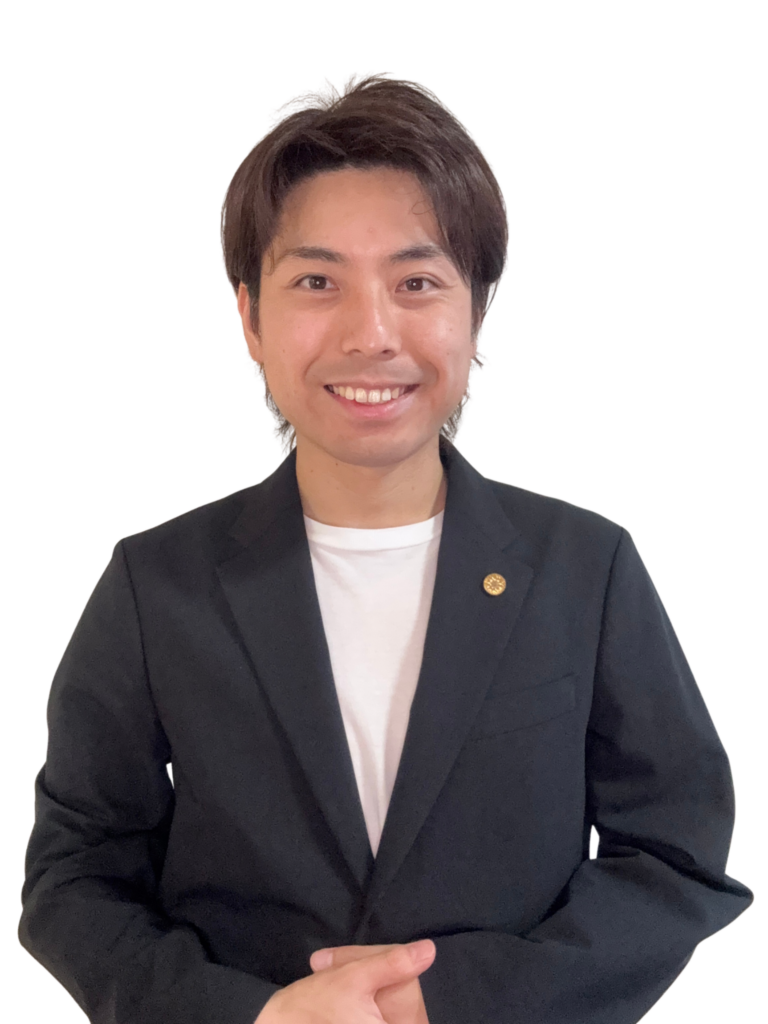
ABOUT THE ADMINISTRATIVE SCRIVENER
Masaki Morii
Morii Administrative Scrivener Office
Based in Gifu, I specialize in immigration procedures and support for foreign nationals and companies employing foreign workers.
I handle applications for various statuses of residence, including Specified Skilled Worker, and provide clear and practical support throughout the immigration process.
Frequently Asked Questions
Q Can I bring my parents to Japan with a Dependent Visa?
A Generally, no. The Dependent Visa is primarily for the spouse or child of an eligible foreign resident. Other options may need to be considered for parents.
Q Can my spouse work in Japan?
A Yes, in certain circumstances. However, the spouse generally needs to obtain permission to engage in activities outside the original status of residence. With comprehensive permission, part-time work is generally limited to 28 hours per week.
Q I want to bring my wife to Japan from overseas. What should I do?
A Generally, the supporting person in Japan applies for a Certificate of Eligibility (COE). After the COE is issued, the spouse overseas completes the necessary visa procedures and then enters Japan.
Q I am not sure whether I am eligible for a Dependent Visa.
A We can review your situation based on your current status of residence, family relationship, income, employment, and other circumstances. You can contact us even before deciding whether to apply.
Dependent Visa Fees
Our basic professional fees for Dependent Visa procedures are as follows.
| Service | Professional Fee | Details |
|---|---|---|
|
Dependent Visa Certificate of Eligibility Application |
From ¥99,000 | Bringing a spouse or child from overseas |
|
Dependent Visa Change of Status of Residence |
From ¥88,000 | Changing the status of a family member already in Japan |
|
Dependent Visa Extension of Period of Stay |
From ¥55,000 | Extending an existing Dependent status |
| Additional Family Member | +¥33,000 | When applying for multiple family members at the same time |
| Permission for Part-Time Work | +¥11,000 | Application for permission to engage in activities outside the status |
* The above are our basic professional fees.
The final fee may vary depending on the complexity of the case,
number of applicants, additional documents, and other circumstances.
* Government fees, certificates, translation fees,
and other actual expenses may be charged separately.
Our Service Process
1
Contact Us
Contact us via LINE or the inquiry form.
2
Initial Consultation
We confirm your current status of residence, family relationship, income, employment, and other relevant information.
3
Eligibility & Document Review
We review whether the Dependent Visa is appropriate and explain the documents required for your case.
4
Engagement & Document Preparation
After you engage our service, we guide you through the preparation of the necessary documents.
5
Application Preparation & Submission
We prepare the application documents and support the application procedure.
6
Immigration Review & Result
Immigration Services reviews the application and the result is issued.
Want to Bring Your Family to Japan?
“Can I bring my spouse or children?”
“Is my income sufficient?”
“What documents do I need?”
Dependent Visa Support
From ¥99,000
From ¥99,000
If you are considering a Dependent Visa
in Gifu or Aichi,
feel free to contact us.
Contact Form
If you prefer to contact us by form, please use the inquiry form below.
* This article provides general information about the Dependent Visa
and is not a substitute for individualized legal advice.
* Eligibility and required documents depend on the applicant’s
individual circumstances, including the supporting person’s status
of residence, family relationship, income, and immigration history.
* Immigration laws and administrative practices may change.
Please confirm the latest requirements before submitting an application.
この記事を書いた人

関連記事
-
 家族滞在ビザとは?岐阜・愛知で家族を呼び寄せるための条件・必要書類・申請の流れを行政書士が解説
-
岐阜・愛知で介護タクシーを開業するには?必要な許可・車両・営業所・資金を行政書士が解説
-
特定技能2号の在留期間が5年に?改正案の内容と外国人雇用企業が知っておきたいポイント
-
岐阜で介護の就労ビザ(特定技能・介護ビザ)申請なら|もりい行政書士事務所
-
SNS運用のコンプライアンス入門|炎上を防ぐために企業が気をつけたいポイント
-
中小企業のためのSNS運用ガイドライン作成マニュアル|炎上しない仕組みづくり
-
【薬機法】そのPR、本当に大丈夫?企業やインフルエンサーが医療用医薬品を紹介する法的リスクとペナルティ
-
【例題有り】日本語能力試験(JLPT/JFT)の難易度はどのくらい?日本人なら受かる?【外国人雇用】


コメント